Industrial HMI
MT-P8A
8-inch wall-mount aluminium industrial touch panel PC — access control, industrial HMI and building control
Rockchip RK3568 · Quad Cortex-A55 @ 2.0 GHz · 1280×800 / 500 cd/m²
8-inch wall-mount aluminium industrial touch panel PC — access control, industrial HMI and building control
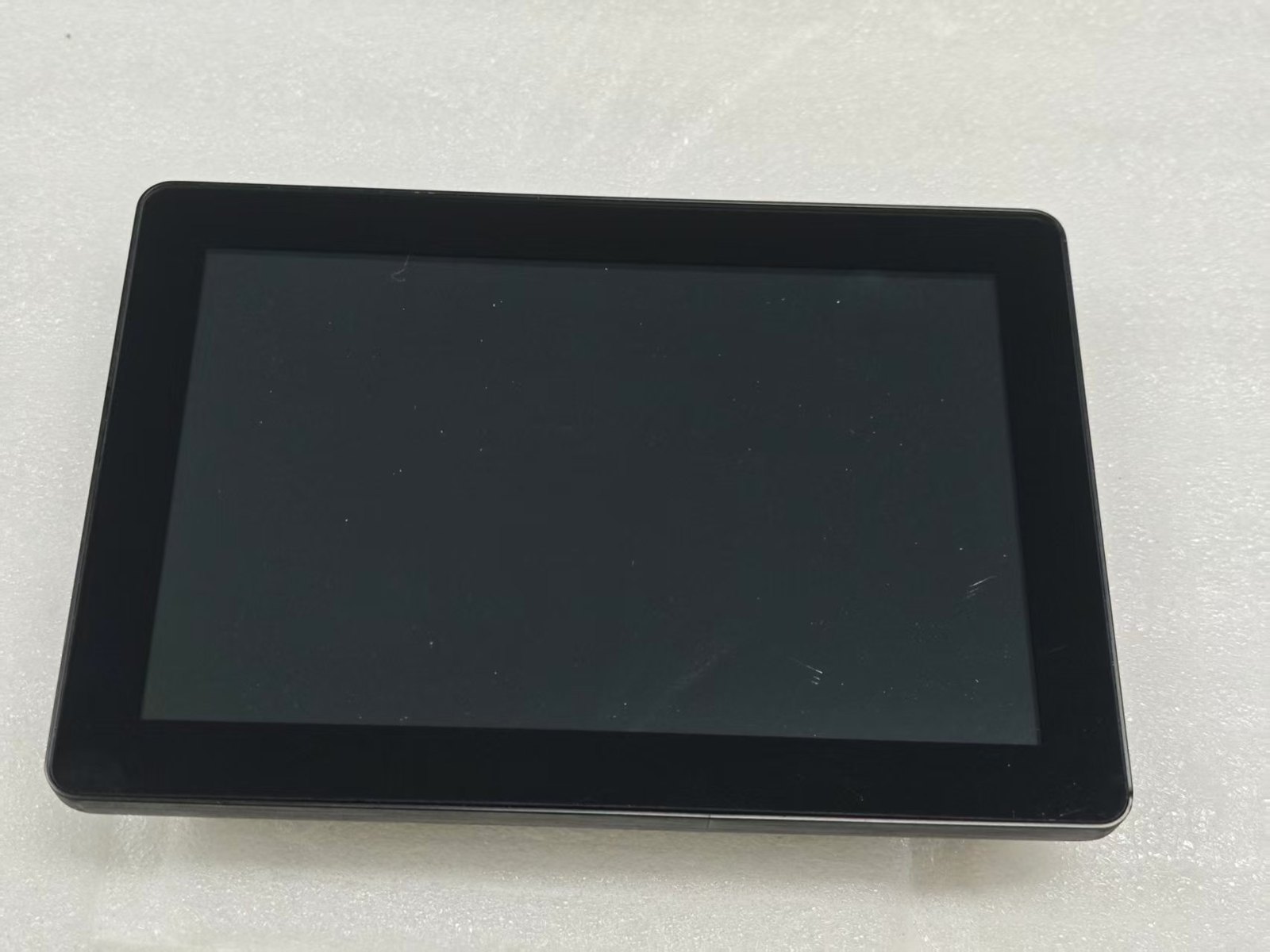
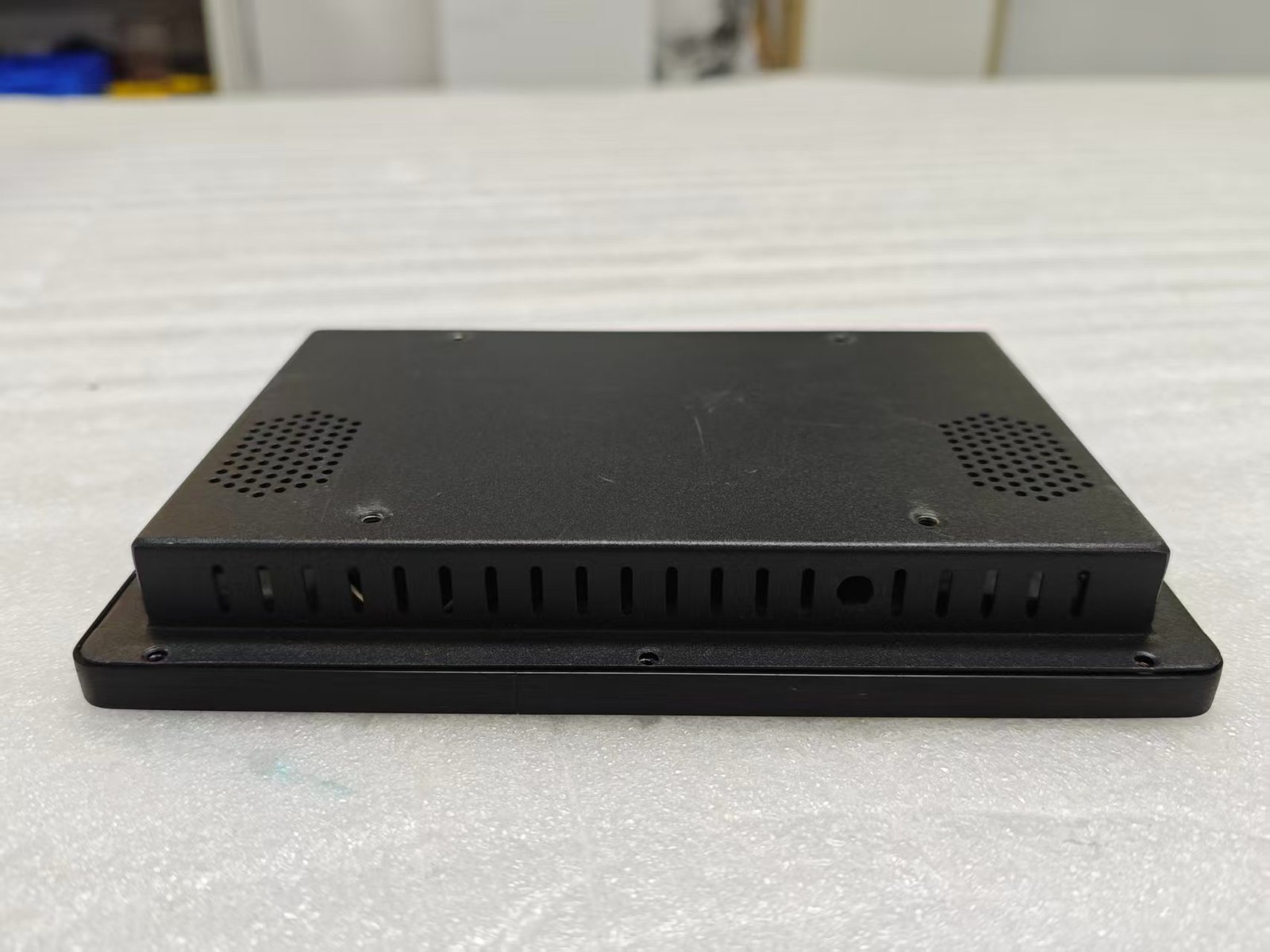
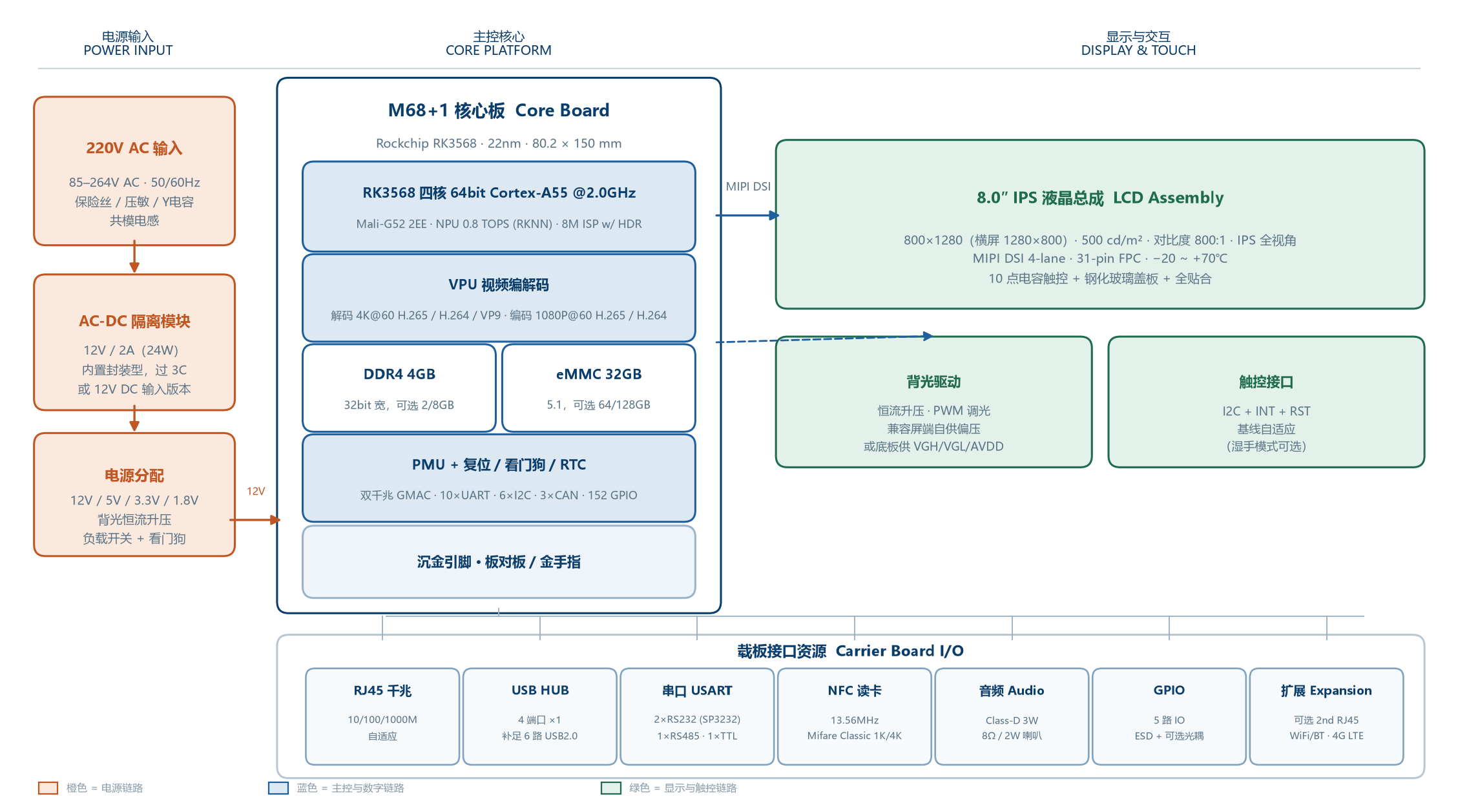
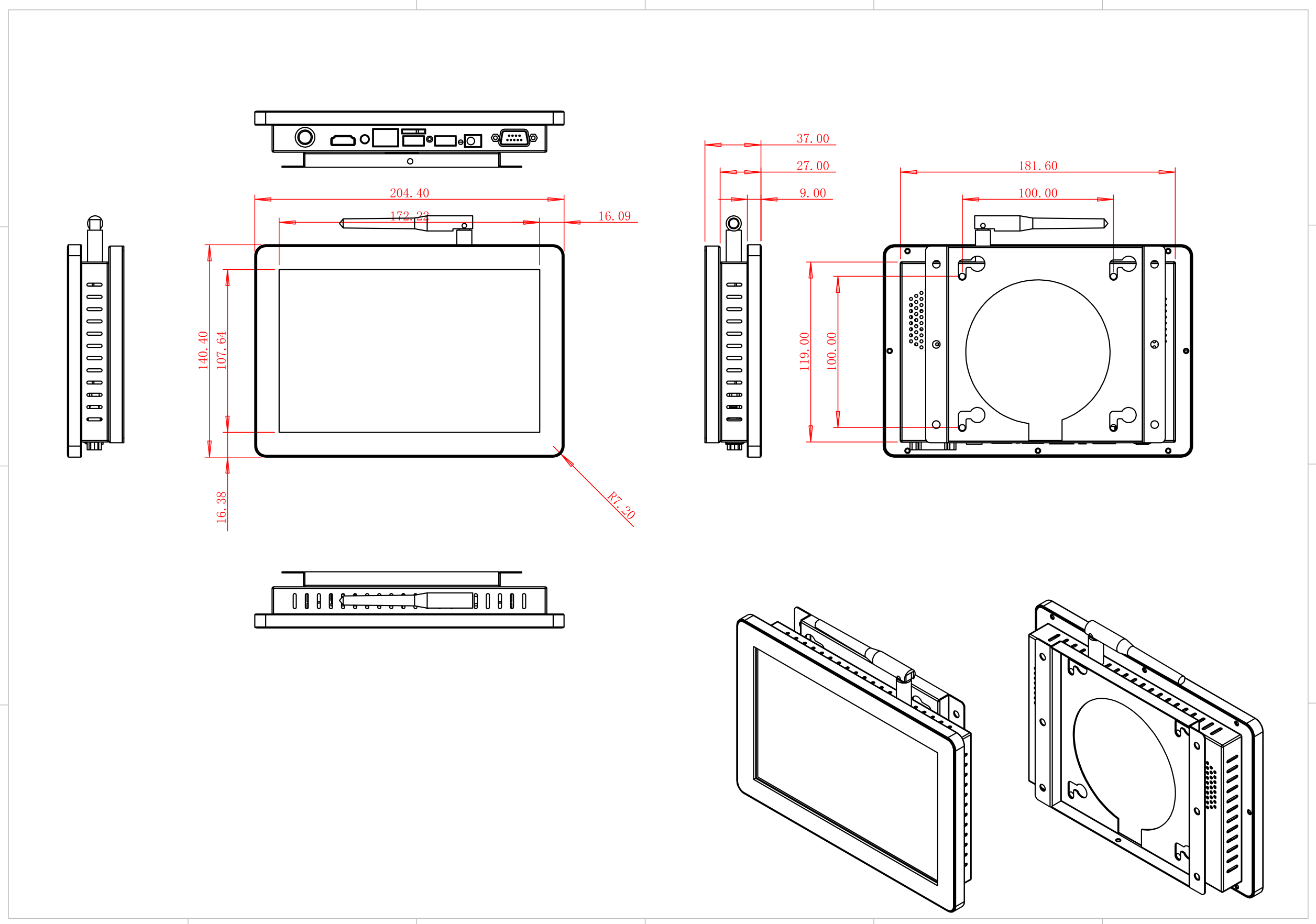
The MT-P8A is an 8-inch wall-mount aluminium industrial touch panel PC built for fixed-installation duty — card access, industrial HMI, production-line boards and building control. It uses a core-board plus carrier-board architecture: the METO M68+1 core board carries the RK3568 quad-core 64-bit Cortex-A55 at 2.0 GHz with a Mali-G52 2EE GPU and a 0.8 TOPS NPU, 4 GB DDR4 and 32 GB eMMC 5.1, both adjustable by order. The display is an 8.0″ IPS full-viewing-angle MIPI DSI assembly at 500 cd/m² with 10-point projected capacitive touch under a fully laminated tempered glass cover. The unit measures 204.40 × 140.40 × 37.00 mm with a flat black aluminium front bezel and a die-cast aluminium rear housing, fanless and fully enclosed, on a 100 × 100 mm rear mounting pitch. Power is 220 V AC direct via a built-in isolated AC-DC module, with a DC 12 V version optional.
The product targets low-NRE, short-lead-time, long-availability industrial terminals: the high-speed design (DDR / PMU / eMMC / shielding) is already fixed and volume-proven on the M68+1 core board, and the carrier board only handles interfaces and mechanical adaptation — so changing the panel, the interface set or the peripheral load later does not mean redoing the high-speed design.
Options at MOQ 500: non-touch version · IP65 front · 400 nit economy panel · custom silk-screen and logo · custom boot screen.
All models share one carrier board and one mechanical set — switching between models creates no additional NRE.
The items below involve sample sign-off, physical measurement or configuration agreements; the final figures follow the signed sample and the test report. We publish them on the product page rather than holding them back for a contract annex — engineering work still open should be visible at selection time.
A 13.56 MHz field is shielded by metal. Because the aluminium bezel leaves only about 16 mm of non-display area around the active area, the usable antenna footprint is tight and read range will be shorter than on a plastic-enclosure device. The antenna is placed on the inner face of the cover glass with a ferrite isolation sheet behind it. The in-system target is ≥3 cm with a MIFARE Classic 1K card held flat against the front face; final range is confirmed by measurement on the P0 sample.
The SoC provides four native USB channels, while the configuration calls for 6 × USB 2.0. One 4-port USB 2.0 hub is added on the carrier board, feeding 2 external USB-A plus 4 internal headers; one native USB 3.0 host channel stays reserved for internal expansion. Enumeration stability with several downstream devices active at once is verified in full at DVT.
Three UART groups come out of the core board (UART7 / UART6 / UART2_M0). One further UART is taken from core-board test points on the carrier board to provide the second RS232, giving 2 × RS232 + 1 × RS485 + 1 × debug TTL.
The panel vendor datasheet for this 8.0" / 500 cd/m² IPS grade does not list a response-time figure; 20–30 ms Tr+Tf is typical for the grade. A ≤6 ms panel would require either a TN panel (with a clear drop in viewing angle and colour) or a custom high-refresh IPS panel — a custom item with its own lead time and pricing.
With a fanless, fully enclosed aluminium chassis the maximum operating temperature is set by thermal capability and is provisionally −10 ~ +55 °C (SoC commercial grade −20 ~ +60 °C; panel −20 ~ +70 °C). The figure is frozen after a full-load +55 °C / 24 h ageing test at DVT. Operation above +60 °C requires an additional thermal path or a de-rating strategy.
13.56 MHz card access, staff attendance, visitor registration, campus and dormitory entry
Production line boards, equipment control panels, machine HMI, workstation terminals
Building / hotel / apartment control panels, meeting-room booking screens, environmental control
Bedside information terminals, department wayfinding, laboratory queue calling
Self-service terminals, exhibition wayfinding, retail interactive displays
Data aggregation gateways, protocol conversion, local AI inference (face detection, inspection)
Card-access control and attendance; industrial HMI and equipment control panels; building and hotel control panels; bedside information terminals; self-service kiosks; and local AI inference at the edge.
Rockchip RK3568 — quad-core 64-bit ARM Cortex-A55 at up to 2.0 GHz, 22 nm, with a Mali-G52 2EE GPU and a 0.8 TOPS RKNN NPU. It is carried on the METO M68+1 core board.
8.0 inch IPS panel, 800×1280 native, mounted as 1280×800 landscape, 500 cd/m² typical, 800:1 contrast, full viewing angle, MIPI DSI 4-lane. Touch is 10-point projected capacitive with an ≥6H tempered glass cover and full OCA lamination.
1 × Gigabit RJ45, 2 × external USB-A 2.0, 4 × internal USB 2.0 headers, 2 × RS232, 1 × RS485, 5 GPIO, speaker output, 13.56 MHz NFC, and a debug TTL console. Standard wireless is 802.11 b/g/n + BT 4.2; Wi-Fi 6 + BT 5.x and 4G LTE are options.
Yes — a 13.56 MHz reader module (ISO14443A/B, MIFARE Classic 1K / 4K read-write) is integrated. Because the front bezel is aluminium, the in-system target read range is ≥3 cm with the card held against the front face; the antenna sits on the inner side of the cover glass with a ferrite isolation sheet behind it.
Android 11 or Linux (Debian / Ubuntu), specified per order, following the Rockchip official SDK. Android cold boot targets ≤25 s and Linux ≤18 s including the application autostart.
−10 ~ +55 °C provisional, with −20 ~ +70 °C storage and 10 ~ 80% RH non-condensing. The upper limit is frozen after a full-load +55 °C / 24 h ageing test at DVT.
Yes. The chassis is fully enclosed with no intake vent, so dust and oil mist stay out — suited to workshops, kitchens and semi-outdoor corridors. The SoC heat is coupled to the die-cast rear housing through an internal thermal pad, and the rear fins dissipate it by natural convection.
Pricing is quoted per configuration and volume — there is no single list price. Send us the target quantity, configuration and destination and we will come back with a firm quote and lead time.
Yes. Options include a non-touch version, IP65 front, a 400 nit economy panel, custom silk-screen and logo, and a custom boot screen, at MOQ 500. MOQ for standard configurations is confirmed together with the quotation — tell us your target volume and we will state it for that configuration.
Send us the target quantity, the configuration you need (RAM / storage / wireless / power), any enclosure or branding customization, and the destination. We will come back with a firm quote, the MOQ and a lead time. Samples can be arranged first for interface and mechanical confirmation.